

This week in scams, we’re looking at three very different stories with the same underlying theme: trust is being exploited at scale.
A massive government contractor data breach has quietly grown to affect more than 25 million people. Meanwhile, a viral AI-generated image of Mary-Kate and Ashley Olsen posing in a fake luxury campaign is spreading across social media, fooling some users and alarming others.
And in a new threat report, OpenAI detailed how its own tools are being misused for dating scams, impersonation, and influence operations.
Let’s break it down.
The Conduent Data Breach Now Impacts 25+ Million People
The fallout from a ransomware attack on Conduent, one of the largest government contractors in the U.S., continues to expand.
According to reporting from TechCrunch, updated state-level breach notifications now indicate that more than 25 million people across the U.S. have had personal data exposed.
Conduent provides services tied to state benefit programs, including food assistance, unemployment systems, and other government payment processing operations. The company has said its services reach over 100 million people.
Data reportedly exposed in the breach includes:
- Names
- Dates of birth
- Addresses
- Social Security numbers
- Health insurance and medical information
TechCrunch noted that the majority of affected individuals appear to be in Oregon and Texas, based on state breach disclosures. Other states have also reported an impact.
The attack has been described as one of the largest government-contractor-related data breaches in recent memory.
Why this matters: When companies that process government benefits are hit, the exposed data often includes highly sensitive identity information. Social Security numbers combined with medical or insurance details can significantly increase the risk of identity theft and fraud.
How to Protect Yourself After a Major Data Breach
If you believe your data may have been exposed:
- Monitor your credit reports for unfamiliar activity
- Consider placing a free credit freeze
- Be wary of phishing emails or texts referencing benefits or account verification
- Never share personal information in response to unexpected outreach
Breaches like this often lead to secondary scams months later. The breach itself is only phase one. Phishing campaigns usually follow.
That Viral Olsen Twins “Louis Vuitton” Image? It’s AI.
A supposed luxury campaign featuring Mary-Kate and Ashley Olsen began circulating widely on X and Facebook this week, racking up millions of views.
The images show the twins styled in what appears to be a high-end fashion shoot, drawing numerous comments over their styling. But social media users quickly pointed out visual irregularities and inconsistencies commonly associated with AI-generated imagery.
Soon, platforms were adding official “this is AI” labels to the photo.
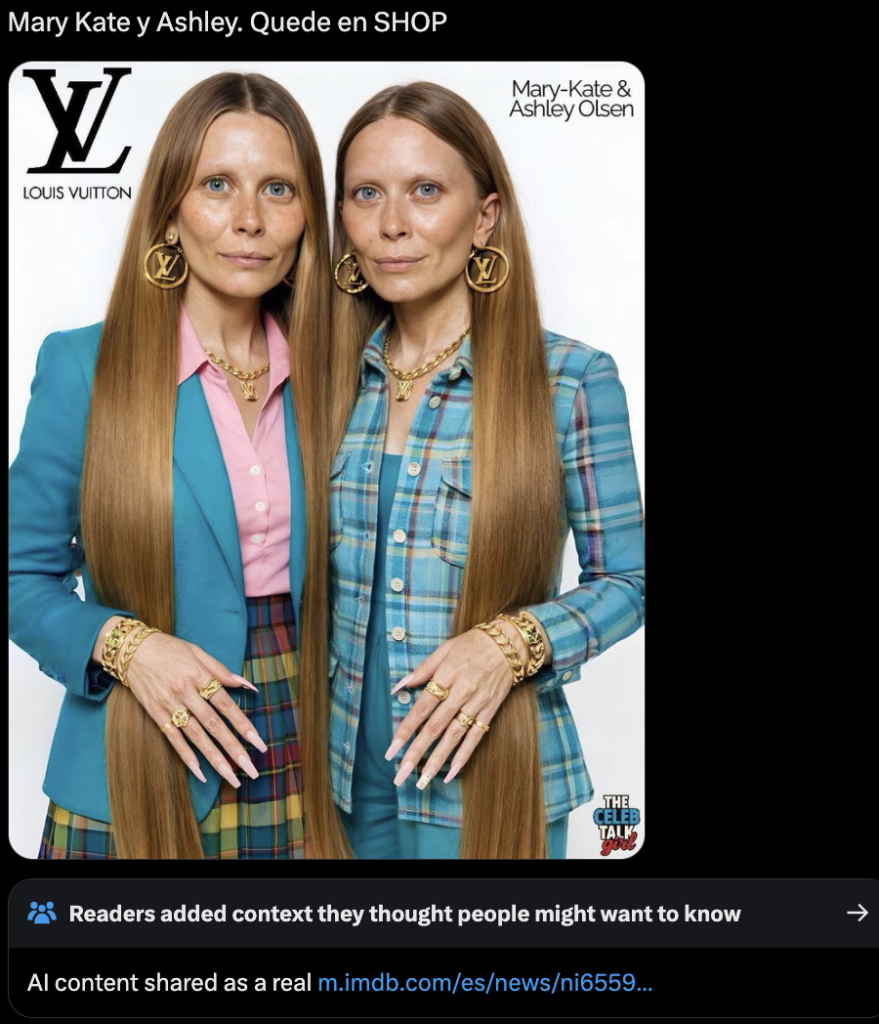
While this doesn’t fall into our typical “scam” roundup, the normalization of AI-generated visuals that look close enough to real to confuse people are a growing issue that can lead to real confusion and distrust.
We have entered a phase where:
- Fake ads look legitimate
- Public figures appear in campaigns they never participated in
- Synthetic images spread faster than corrections
Today it’s a fashion ad. Tomorrow it could be a fake political endorsement, financial announcement, or emergency alert.
The takeaway: If you see a surprising campaign or announcement, verify it through official brand websites or verified accounts before assuming it’s real.
OpenAI Details How ChatGPT Is Being Misused
In a newly released threat report, OpenAI outlined several ways its tools have been abused by bad actors.
According to Reuters’ reporting:
A cluster of accounts used ChatGPT to run a dating scam targeting Indonesian men, allegedly defrauding hundreds of victims per month.
Some accounts used the tool to generate promotional copy and ads for a fake dating platform that pressured users into completing costly “tasks.”
Other accounts posed as law firms, impersonating real attorneys and U.S. law enforcement to target fraud victims.
OpenAI also banned accounts linked to activity believed to be part of influence operations, including efforts targeting Japanese political figures.
OpenAI stated that the activity was detected and accounts were removed.
Why this matters: AI tools themselves are not inherently scams. But they dramatically lower the cost and increase the scale of fraud operations. Writing persuasive emails, generating fake legal letters, building scam ads… these now require fewer technical skills than ever before.
The technology doesn’t create the criminal intent. It just accelerates it.
McAfee’s Safety Tips This Week
- Assume viral images could be AI-generated until verified
- Verify unexpected announcements through official websites
- Treat post-breach emails as suspicious by default
- Be skeptical of online “consultation” invites that promise payment
- Never send money to someone you’ve only met online
We’ll Be Back Next Week
From ransomware breaches to AI-generated impersonations, the pattern is clear: scammers are scaling trust manipulation with technology.
Stay skeptical. Verify before you click. And we’ll be back next week with another breakdown of what’s making headlines, and what it actually means for your security.
For more reading on AI deepfakes and breaches:
Taylor Swift Tops List of Most Deepfaked Celebs

Stay Updated
Follow us to stay updated on all things McAfee and on top of the latest consumer and mobile security threats.